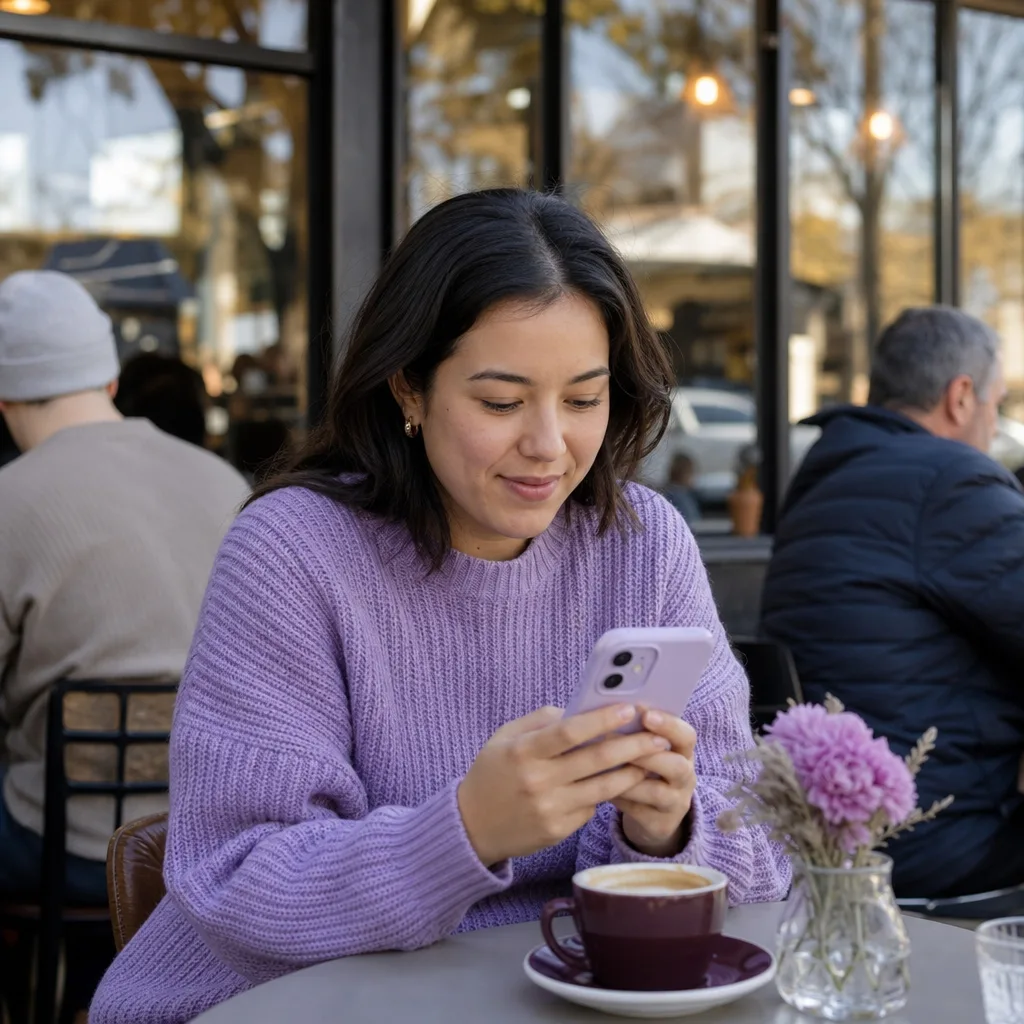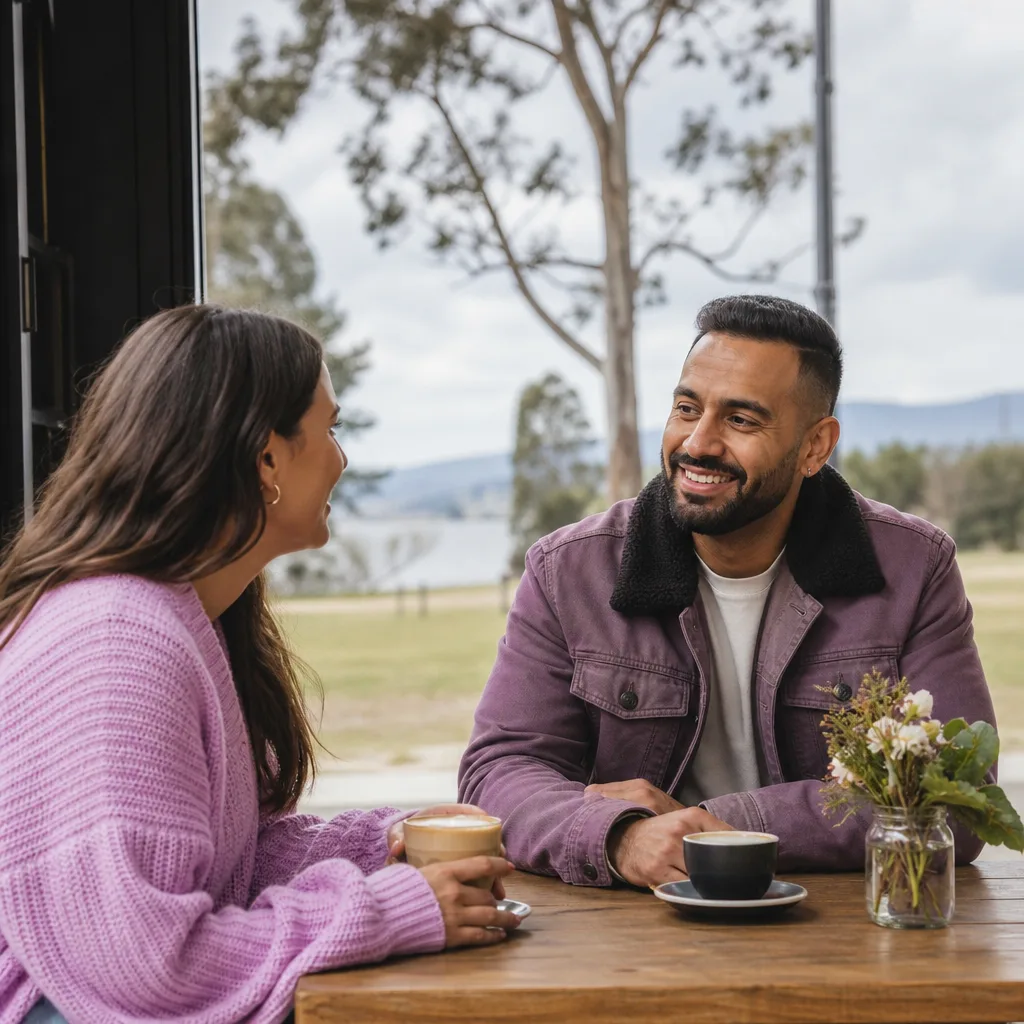
Straightforward advice for protecting your privacy, checking who you are speaking to and planning safer dates across Canberra and the ACT.
You have agreed to meet for coffee in Civic. The messages have been easy, the profile looks plausible and the venue is busy. Then, half an hour before you leave, your date asks to pick you up from home instead. Harmless convenience, or a reason to pause?
There is no single rule that can answer every situation. Most people using dating sites are there for the same ordinary reason you are: to meet someone nearby. Still, a profile is an introduction, not proof of identity or good intent. Sensible precautions give you time to notice the difference.
This guide covers online dating safety in Canberra from the first profile view to the trip home after a date. It explains how to limit what strangers can learn about you, recognise Canberra dating scams, check that a person is broadly who they claim to be, choose a public meeting place, talk about consent and get help if something goes wrong.
The aim is not to make dating feel like a security exercise. Think of these measures as a seatbelt. You put them in place early, then get on with the journey.
- Before chatting. Set up your profile so that it says enough about you without exposing your routine, workplace or address.
- Before meeting. look for consistency, speak by voice or video and keep control of your own transport.
- During the date. Stay aware of pressure, alcohol, changing plans and whether your boundaries are being respected.
- After a problem. Save evidence, report the account and contact the right service for the type and urgency of harm.
If you are ready to browse locally after reading, you can view Canberra singles or learn more about how to meet singles near you. Safety advice applies whichever service or app you use.
Protect your privacy and check identities
How can I protect my privacy on a dating profile?
Use enough detail to start a conversation, but leave out information that identifies your home, workplace, daily routine or private accounts.
A good profile can be specific without becoming a map of your life. Saying you work in policy, education or hospitality gives someone a conversational starting point. Naming the small office where you work, your exact role and the days you attend gives a stranger a search query.
This matters in Canberra because professional and social circles often overlap. A department, university faculty, defence connection or diplomatic posting can narrow an identity quickly, especially when paired with a first name and clear photograph. You do not need to pretend you work in another field. Just begin broadly and share specifics after trust has developed.
- Use dating-only photos. A picture that also appears on LinkedIn, Facebook or an employer page may be found through a reverse image search. Choose recent photographs that have not been posted publicly elsewhere.
- Check the background. Staff passes, school logos, vehicle registration plates, house numbers, mail and recognisable views from a balcony can disclose more than your face does.
- Keep your suburb general. Canberra is spread across distinct town centres, so saying Belconnen, Woden or Gungahlin is useful. Your street, apartment complex and regular bus stop are not.
- Separate your contact details. Use the site's messaging system while you assess someone. If you later share a phone number, review what your number reveals through messaging apps, payment services and public searches.
- Review social settings. Hide friend lists, old posts, location tags and personal email addresses. Ask whether a stranger could use one detail from your dating profile to find everything else.
- Remove precise location data. Phones often strip metadata when pictures are uploaded, but you should not assume every service does. Turn off location tagging for photographs and check privacy controls.
Dating profile privacy is not about being secretive. It is about sharing information in stages. A trustworthy person will understand why you are not immediately giving them your surname, office location or home address.
How do I verify that an online date is a real person?
Check identity through several small, consistent signals rather than relying on one photograph, badge or video call.
Verification is rarely a single dramatic test. A video call confirms that a face resembles the photographs, but it does not prove every claim a person has made. A social account may be genuine but still contain an invented job or relationship status. Look for a story that remains coherent over time.
- Read the whole profile. Look for normal detail and internal consistency. Sparse profiles are not automatically fake, but they give you less to assess.
- Ask ordinary follow-up questions. Someone who says they have just moved to Canberra should be able to discuss the move naturally. Do not interrogate them. Notice whether basic details change without explanation.
- Search profile images. A reverse image search can reveal photographs copied from a public figure, model, military member or another person's account. No result is not proof, but a conflicting identity is a clear warning.
- Suggest a short video call. Keep your background neutral and do not show your home layout, workplace material or family photographs. A genuine person may be camera-shy, but repeated elaborate excuses deserve attention.
- Confirm the meeting plan in the app. Keep a record of the profile, conversation and agreed venue until you are safely home.
Practical tip: Before meeting, send a trusted person the profile name, a screenshot, the venue and your expected finish time. Agree on a simple check-in message. If plans change, update them rather than assuming they will know.
Some platforms offer identity or photo verification. Treat that as one useful signal, not a character reference. It may show that the account holder completed a particular check at a particular time. It cannot guarantee that they are single, financially honest, respectful or safe in person.